Analysts say the US defence secretary’s taunts ring hollow given Washington’s own record of undermining alliance obligations.
“If I’m being honest, 2 per cent is not enough,” Pete Hegseth declared from the stage on Saturday, referring to Wellington’s plan to double its defence spending as a percentage of gross domestic product. “So 2 per cent is freeloading.”

But analysts counter that this label ignores the Trump administration’s exploitative track record, from taking advantage of other countries, to undermining alliances and ignoring established international law.
“Let’s be clear,” said Robert Patman, a professor of international relations at New Zealand’s University of Otago. “The Trump administration has not acted like a good ally of New Zealand.”
The Trump administration has not acted like a good ally of New Zealand
“New Zealand’s military expenditure must support [its] national interests and not those of the Trump administration,” Patman added.
It was a similar point that New Zealand’s Prime Minister Christopher Luxon made during a radio talk show appearance on Tuesday. “We choose our defence spending and no one else,” he said.
Wellington’s Defence Minister Chris Penk had already pushed back against Hegseth’s remarks on Saturday, dismissing the demand that US allies must meet a new “global norm” of 3.5 per cent of GDP on defence.
“New Zealand is not a freeloader,” Penk said in an interview. “Historically, we’ve invested at a lower level than many of our friends and partners and allies but the important thing to note is that we are increasing.”

Geoffrey Miller, an independent geopolitical analyst with the Democracy Project at the Victoria University of Wellington, described this as “a big step” for a country that had been spending at roughly half that ratio in recent years.
READ MORE
- Pentagon chief urges allies to boost defence spending amid 'alarm' over China's buildup
- Pete Hegseth's 'freeloading' snipe: Should NZ be worried?
- Pete Hegseth says NZ is 'freeloading' off
- Budget 2026 boosts Pacific aid and defence spending amid security concerns
But he said a “near-limitless appetite” for defence spending currently existed among the hawks of Washington, adding: “Whatever New Zealand offers will unlikely be seen as enough by more hawkish partners.”
The real ‘freeloader’?
The core of Hegseth’s critique rests on a transactional view of alliance politics that sits awkwardly with New Zealand’s own understanding of such agreements.
From Wellington’s perspective, Patman said Washington was the real “freeloader” when it came to international law.
“Why would New Zealand positively respond to Hegseth’s demand to spend more militarily in those circumstances?” Patman asked, arguing that military alliances existed to safeguard shared values and common interests, which the Trump administration had failed to demonstrate.
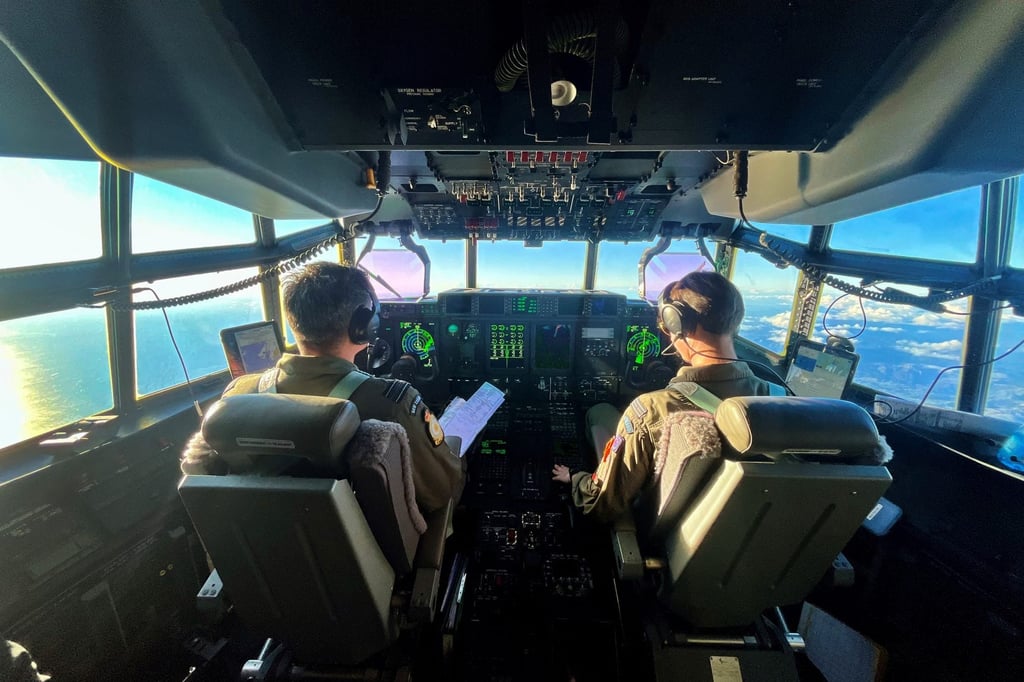
Being “friends for a long time” was not reason enough to maintain an alliance, Hegseth said at last weekend’s Shangri-La Dialogue. “You better have the same capabilities that we do, because if we don’t, our alliance is meaningless,” the US Army veteran and former television host told the audience.
Alexander C. Tan, executive director of the Christchurch-based Institute for Indo-Pacific Affairs, said successive New Zealand governments had allowed defence investment to wither since the Soviet Union’s collapse in 1991 removed the Cold War imperative.
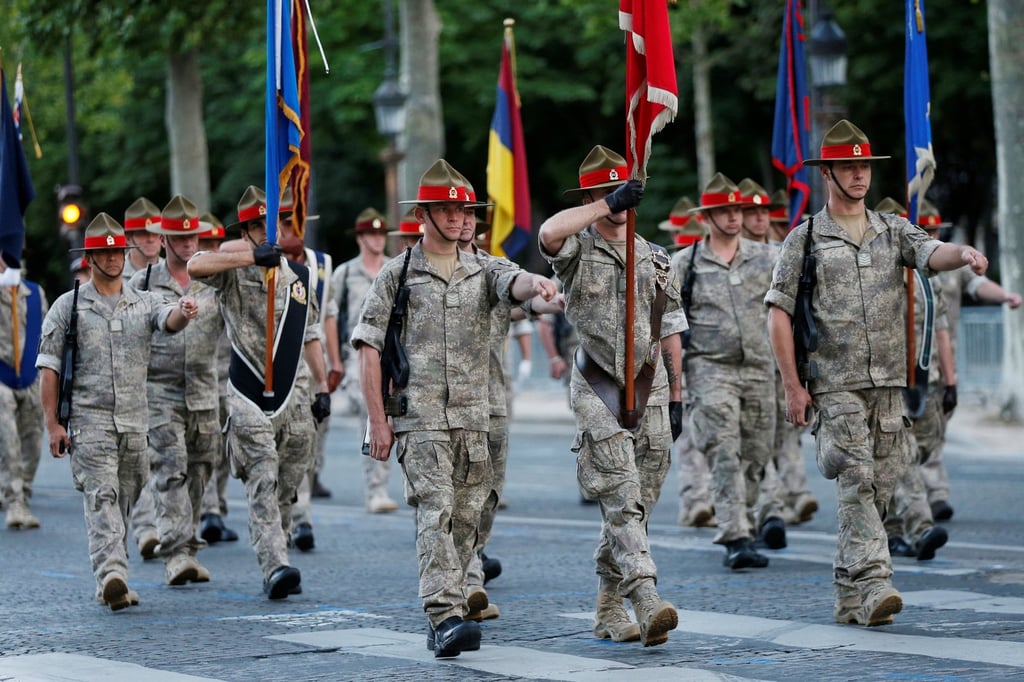
But that long drift did not automatically confer the “free-rider” label, he said, noting that New Zealand had continued to contribute to multilateral operations despite maintaining a modest military.
“If spending less than a specific number taken out of the blue makes one a free-rider then most countries are actually free-riders,” Tan said.
Australia has already committed to buying 11 upgraded Mogami frigates from Japan, with contracts for the first three signed in April and delivery scheduled for 2029.
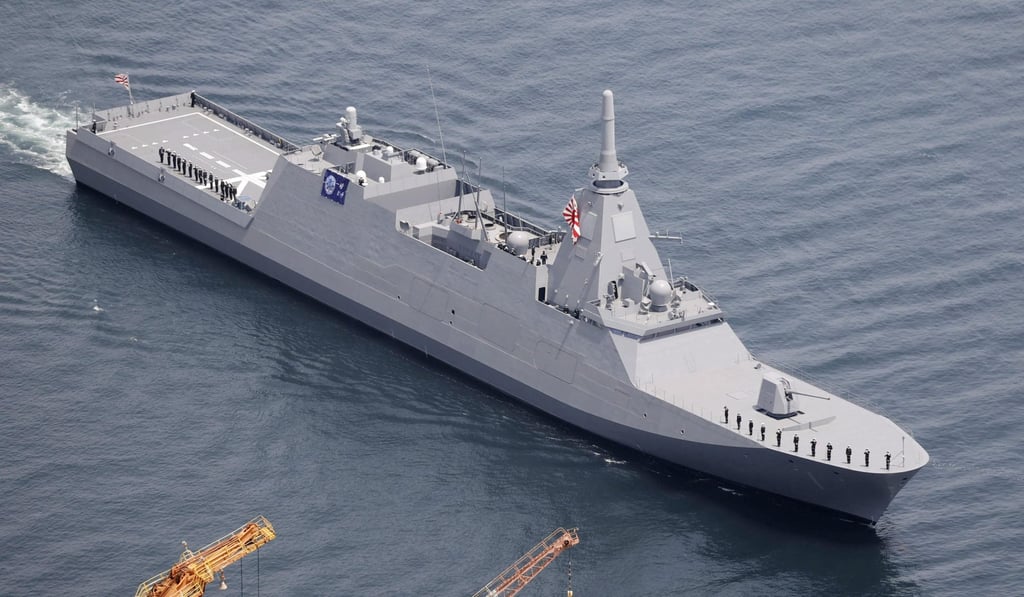
However, a fully outfitted two-ship Mogami fleet would cost an estimated NZ$6 billion to NZ$8 billion. With the economy performing poorly, it is far from certain that the New Zealand government is positioned to commit.
Personnel shortages compound the challenge. “The main big issue with the defence force is attrition and not enough soldiers,” Tan said. “We have ships but not enough sailors, so our ships cannot put to sea because there are not enough sailors to man them for operational safety.”
Patman noted that, like Australia, New Zealand had an exceptionally large exclusive economic zone to protect.
Given this, developing maritime capabilities capable of providing mutual assistance in a security contingency made strong strategic sense, he said, especially “at a time when an ‘America First’ administration in Washington cannot be dependably relied on as an alliance partner”.